Púchov Municipal Composting Facility

Address
Mesto PúchovŠtefánikova 821/21
020 01 Púchov
IČO: 00 317 748
https://www.puchov.sk/
Contact person
Mgr. Peter Bílik+421 911 151 575
peter.bilik@puchov.sk
View profile
Description
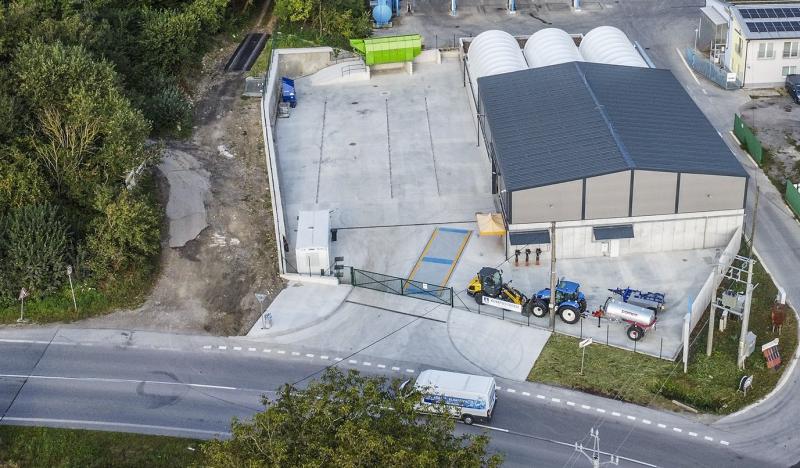
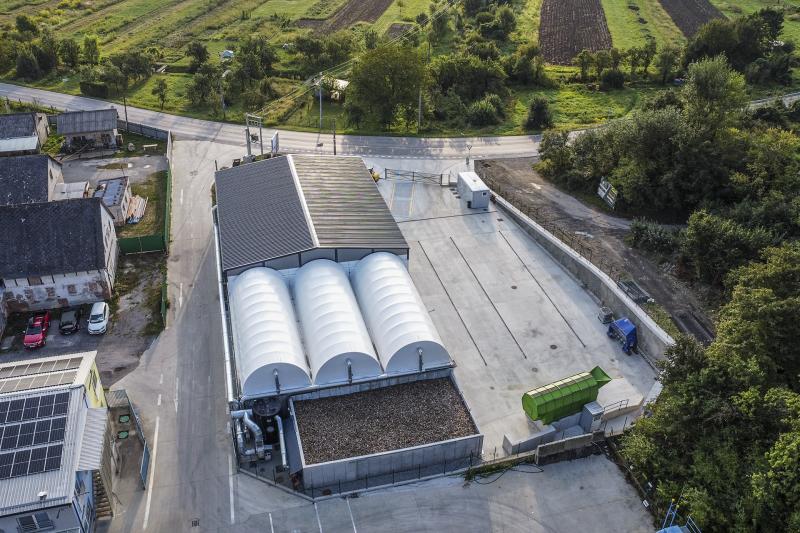
The establishment of the municipal composting facility in Púchov contributes to the local processing of biodegradable waste. Biodegradable waste and biodegradable kitchen waste are processed directly in the town, reducing the need to transport them to more distant recovery facilities while also producing compost that can be used to improve soil quality. It is a modern technological facility designed for the collection, processing and recovery of biowaste from households, gardens and public spaces in the town of Púchov and its surrounding areas.
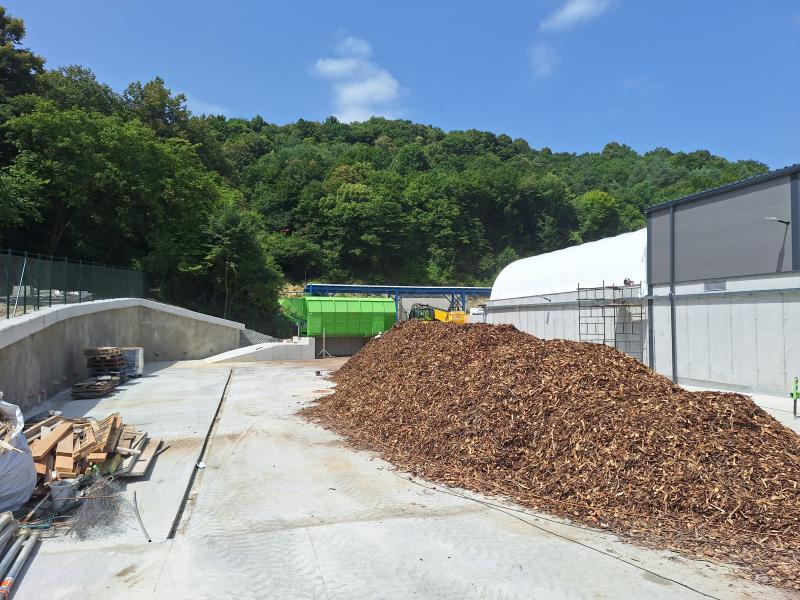
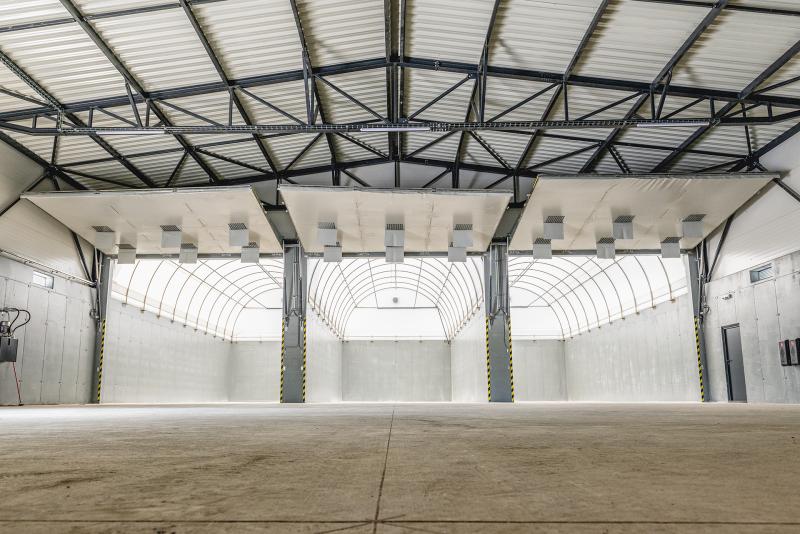
Upon delivery to the composting facility, biodegradable waste and biodegradable kitchen waste are sorted and processed by cutting and shredding. The materials are then mixed and placed in maturation boxes. In the first box, the waste is stored for two weeks, after which the material is transferred to composting and hygienisation boxes, where it remains for at least another four weeks. The final stage involves the maturation of the compost on specially prepared surfaces, which takes approximately another eight weeks. Once the process is complete, high-quality compost is produced and screened to the required particle size. Following certification, interested parties can purchase the finished compost and use it as a fertiliser in their gardens or on their lawns.
Economic benefits
The main economic benefits include:
- avoiding increases in waste landfill fees and, consequently, reducing pressure to increase fees for residents;
- savings in logistics costs associated with biodegradable waste;
- production of high-quality compost;
- creation of local jobs.
Environmental benefits
The main environmental benefits include:
- diverting biodegradable waste from landfills;
- contributing to the reduction of greenhouse gas emissions;
- returning nutrients and organic matter to the soil;
- enabling the partial replacement of industrially produced fertilisers with compost;
- supporting the circular economy through the recovery of biowaste.
Examples of implementation of the solution in practice
The composting facility has been in operation since August 2024 and has an annual processing capacity of up to 1,600 tonnes of biodegradable waste and biodegradable kitchen waste.
Attachments